
Lucknow, 24 March 2026
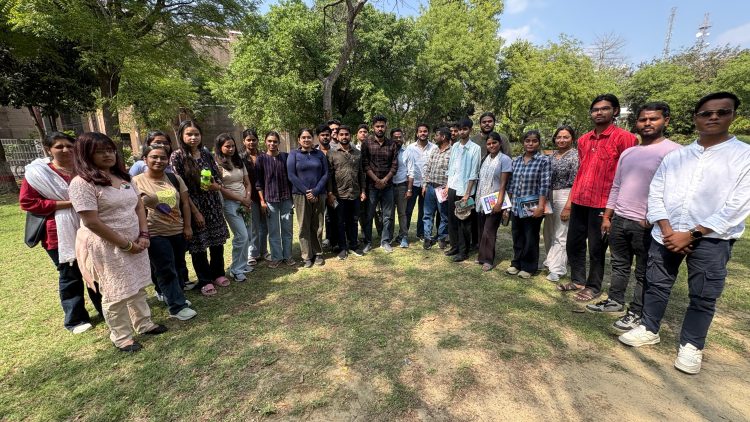
Samwaad organized a study circle at the New Campus of the University of Lucknow to discuss the Transgender Persons (Protection of Rights) Amendment Bill. The event saw participation from students who examined the proposed bill and discussed its potential implications.
According to the organizers and participants, key concerns raised during the discussion included the perceived dilution of the right to self-identification, increased bureaucratic involvement in gender certification, and what they described as limited consultation with members of the transgender community.
Participants stated that, in their view, the bill shifts decision-making authority towards administrative processes, raising concerns about autonomy and access.
The discussion also placed the bill within a broader context, with some participants expressing concerns about accountability in institutional frameworks, including in higher education. These views were presented as part of a wider critique of governance and regulatory mechanisms.
Some speakers further linked the issue to broader social and political developments, expressing concerns about the treatment of marginalized communities. These perspectives remain those of the participants and were not independently verified.
The session was coordinated by Samvidha. Speakers included Nitin Raj, PhD Scholar, and Shantam Nidhi, student of Women and Gender Studies.
Nitin Raj stated:
“Gender categories emerged at a specific cultural and historical moment and produced a structure of power that began to regulate how individuals express themselves. This bill must be read in that context. It is an attempt to formalize that control through the authority of the state.”
Shantam Nidhi said:
“This bill is not an isolated legal measure. It is part of a larger process where democratic institutions are being hollowed out… we are witnessing a consolidation of power that disproportionately impacts marginalized communities, including the trans and queer community.”
Participants emphasized that laws concerning marginalized communities should reflect lived realities and uphold principles of dignity, equality, and autonomy.
The discussion concluded with participants stating that such issues require continued academic engagement and dialogue within universities.