
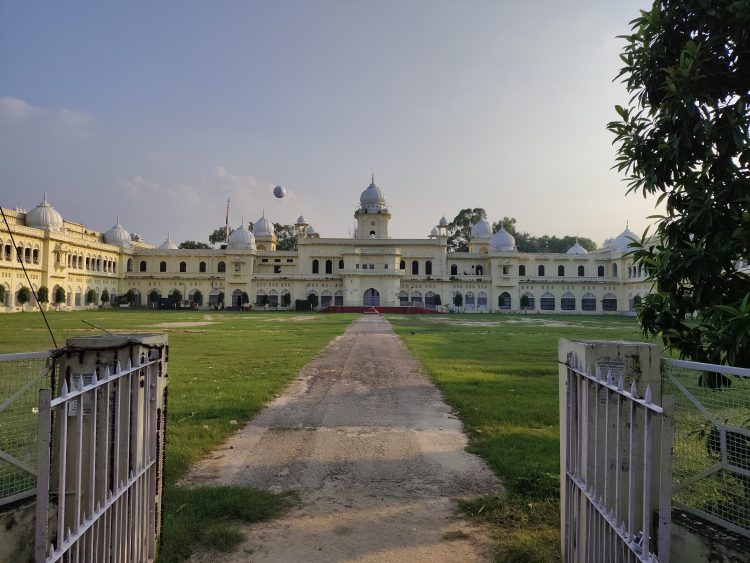
On most days at Lucknow University, learning doesn’t begin with a timetable and it certainly doesn’t end with the final bell. The true heartbeat of the campus lies in the spaces that almost seem accidental. The chai stalls with their metal kettles steaming through the afternoon, the shaded benches behind departments, the corners of the lawns where students gather without planning to. These places form the quiet academic undercurrent of LU, where conversations become lessons and everyday moments turn into something far more meaningful.
Across the campus, it is easy to notice that students are drawn instinctively to these informal spaces. A cup of coffee or chai becomes an excuse, almost a ritual, around which friendships, arguments, ideas, and uncertainties settle. No one announces it, but this is where Lucknow University truly thinks.
The chai stall near the Arts block, for example, has heard generations of political debates. No microphone, no campaign stage, just a group of students leaning forward on plastic chairs, discussing an election, a protest, a recent speech they disagreed with. The stallkeeper often starts recognising who likes extra sugar, who needs tea strong enough to survive a long lecture, and who is too nervous to ask for their order. These small interactions create a sense of belonging that classroom walls cannot always provide.
Just a few steps away, the lawns near the library have their own rhythm. Some students sit with open books but end up absorbed in conversations about future plans, homesickness, culture, or heartbreak. Others talk about literature, philosophy, or a random reel they saw in the morning. The topics rarely stay the same, but the comfort does. There is a certain softness in these moments, a recognition that university life isn’t only about academic achievement but the emotional journeys that quietly run alongside it.
Coffee found just outside the commerce block has its own personality too. The conversations there tend to move quickly: career plans, competitive exams, doubts about the future. Students who never sit together in class often find themselves sharing anxieties over small paper cups. The caffeine might wear off, but the feeling of being understood stays longer.
What makes these spaces special is how effortlessly they cross boundaries. A third-year student advising a first-year, a science student chatting with someone from fine arts, someone practicing poetry with someone who only came for five minutes but stayed for fifty, these interactions break the invisible walls created by departments and timetables. In a campus as old as LU, these mingling moments are what keep the institution young.
There is a certain wisdom in the casualness of these spaces. Students learn how to listen, how to disagree without anger, how to share without fear, how to be vulnerable in the middle of a bustling university. Coffee and chai become gentle bridges between backgrounds, languages, and personalities. A single conversation can shift someone’s perspective or calm a mind tired from the pressures of youth.
Even the campus architecture seems to encourage these pauses. Wide verandas, shaded courtyards, open lawns , all invite students to slow down, settle, and talk. Lucknow University has always been known for its intellectual and cultural depth, but perhaps the most enduring aspects of that heritage emerge not inside classrooms but around these steaming cups.
In many ways, the soul of LU lies in these conversations. They are not recorded, not graded, not officially recognised, yet they shape students more than they realise. When graduates look back years later, they often remember not the exact lessons taught but the chai-fuelled discussions that changed how they saw the world.
As the sun sets over the campus and the evening breeze moves through the trees, the stalls continue to buzz softly. New batches come, old batches leave, but the rhythm stays the same. Coffee. Chai. Conversations. And a university that breathes through them.
