
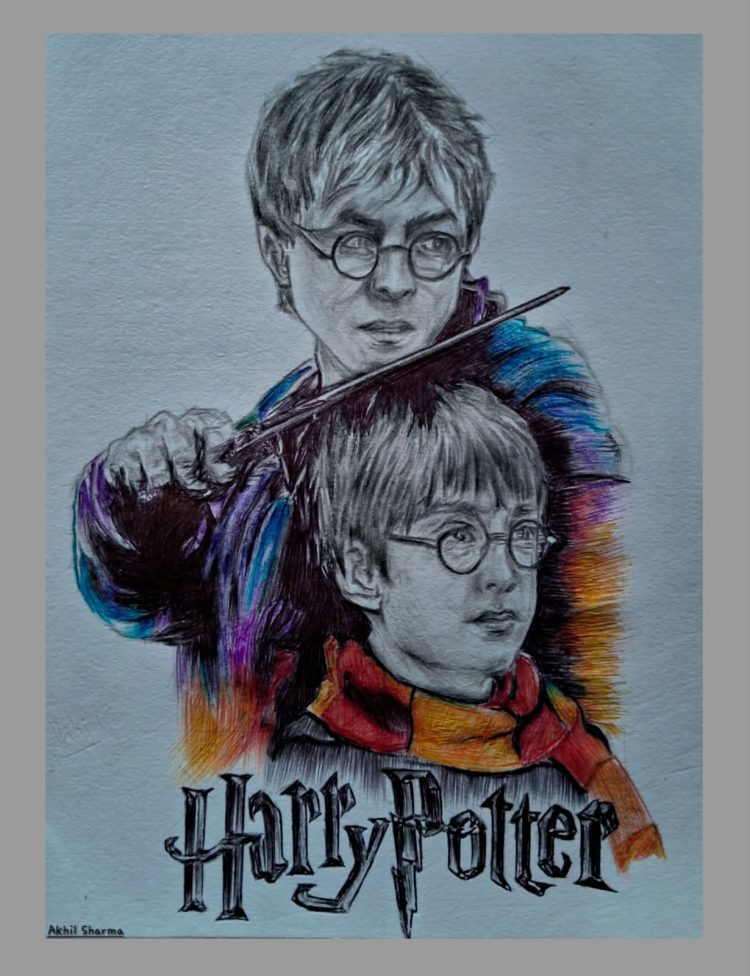
It’s been over twenty-five years since readers first crossed the magical threshold of Hogwarts, but the world of Harry Potter is as enchanting today as it was in 1997. What started as a story about an orphaned boy finding out he was a wizard grew into one of the most influential literary and cinematic franchises in history.
Harry Potter is more than just a series of books and films; it is seven bestselling novels, eight blockbuster films and a multitude of cultural milestones. It has become a common experience that has connected generations of readers and viewers from different continents, languages and cultures. It’s rare for a fictional universe to earn such lasting love — or to pull in fresh viewers so many decades after its creation.
What keeps Harry Potter so perennially popular is its brilliant mix of fantasy and real human emotion. The story may be full of magical creatures, enchanted castles, flying broomsticks and powerful spells, but at its heart it has always been about universal experiences. It is a story of friendship that endures adversity, bravery against impossible odds, the quest for acceptance, the agony of loss, and the importance of choosing what is right over what is easy. These themes are universal to any generation or culture. Whether you first read the books as a child, saw the films as a teenager or are only now embarking on that journey as an adult, the emotions at the heart of the story are still so relatable.
Readers were given a richly detailed magical world in the novels that was both inventive and believable. Hogwarts School of Witchcraft and Wizardry soon became one of the most recognisable settings in literature. Readers couldn’t wait to visit its moving staircases, enchanted portraits, hidden passageways, magical classrooms, bustling common rooms and grand feasts. But the real magic of Hogwarts was never in the bricks and mortar. It was the friendships made within its walls, the lessons learned in wins and losses, the feeling that every student, no matter their background, could find a place to belong.
Many readers still remember the thrill of imagining that one day an acceptance letter might come for them, too. One of the series’ biggest strengths is the ability to grow along with its characters. Harry Potter starts as an eleven-year-old boy stepping into a world he knows nothing about, and as each book progresses, he matures and faces harder choices and responsibilities. Readers shared in this journey with him, so every victory was more meaningful, every setback more personal.
Hermione Granger’s intelligence, determination, and unswerving devotion to doing what she believed was right made her one of the most loved characters in literature, and Ron Weasley’s loyalty, humour, and humanity served to remind readers that courage is often to be found in the everyday. They were surrounded by an unforgettable cast of teachers, classmates, mentors, rivals and magical creatures, all of whom added depth and richness to the Wizarding World.
When the books were translated to the big screen, audiences got to see the magical world come to life in breathtaking detail. The eight Harry Potter films, from 2001 to 2011, brought the story to millions of new fans and gave longtime readers a visual interpretation of places they’d imagined for years. Hogwarts Castle, Diagon Alley, Platform Nine and Three Quarters, the Great Hall, the Forbidden Forest – these became immediately recognisable landmarks of popular culture. The films captured the magic that had made the books so beloved, and created cinematic moments that have become iconic in their own right.
One of the reasons that the films have been so successful over the years is the amazing cast of actors who played the characters. The fact that the cast played their own age and that they played their own characters created a sense of authenticity that made the emotional connection audiences had with the decade-long journey even more powerful. The seasoned supporting cast brought wisdom, warmth, humour, and gravitas to every scene, and the unforgettable musical score and groundbreaking visual effects gave the Wizarding World an atmosphere that continues to inspire awe. Even now, the first few notes of the familiar theme are enough to transport many a fan back to their first time at Hogwarts.
The books and films are set in magical worlds but have remained timeless because they speak to experiences shared by people everywhere. Friendship is not a thing but a power to meet great things. Courage is not the absence of fear, but the willingness to do something in the face of fear. Love, compassion, sacrifice, resilience, forgiveness, and hope are all organically woven into the story and never feel forced. The series sidesteps easy heroes and villains, instead prompting readers to think about the choices people make and how those choices shape their lives. It’s this moral complexity that keeps the story engaging, even when readers revisit it later in life, often uncovering new meanings they didn’t catch when they were younger.
But beyond the books and the films themselves, Harry Potter has had a great cultural impact. It has inspired theatre productions, orchestral concerts, theme parks, exhibitions, podcasts, fan conventions, online communities, academic discussion and charitable causes. Its greatest achievement may have been to inspire countless young people to love reading. Teachers, librarians and parents worldwide have spoken often of children eagerly anticipating each new instalment and delighting in reading long novels because they became engaged in Harry’s story. Many of those same readers today are passing the books along to their own children, and it’s a wonderful cycle where one generation passes the magic to the next.
The enduring allure of the Wizarding World helps explain why the buzz is building for the new television adaptation, which is scheduled to premiere in December 2026. The films, which had to condense each novel into a few hours, are in contrast to the television format, which can tell the story more patiently and with more detail. Each book should get a full season, so there’s scope to dig into the rich layers of the original novels in ways that haven’t been possible before. This has sparked plenty of excitement amongst fans, many of whom consider the new series not a replacement for the beloved films but another opportunity to see the story in a new light.
The most common fan hope is that the adaptation be true to the spirit of the books, but capitalise on the expanded storytelling format. For years, readers have been dying to see more of the quieter moments that lend warmth to the novels: everyday life at Hogwarts, classroom lessons, conversations in the common rooms, seasonal celebrations, Quidditch matches and the slow build-up of friendships and rivalries. Those moments may not always move the narrative forward, but it’s those moments that made the Wizarding World feel like an actual place, not just the backdrop for an epic adventure.
The notion of supporting characters getting more focus is just as exciting for many fans. There are memorable personalities in the novels whose stories could be fleshed out more in a longer series. The relationships that developed slowly in the books can feel even more organic on TV, allowing viewers to spend more time with professors, classmates, members of the Weasley family and many other beloved characters that contributed so much to the richness of the Wizarding World. There is also much excitement about the visual potential of the new adaptation. The technology of filmmaking has advanced to the point where magical creatures, enchanted locations and spellcasting can be depicted with incredible detail, and yet still retain the sense of wonder that has always been part of what defines Harry Potter.
Fans want a Hogwarts that feels like a real place, lived in, where every corridor, classroom and secret passageway asks to be explored. But beyond the spectacular visual effects, audiences are hoping the series captures the atmosphere of discovery, comfort and belonging that made the books such an unforgettable read.
The buzz around the TV series has also been a reminder to many of the enduring significance of the original books and movies. To millions of fans, those stories are cherished memories of childhood, family movie nights, midnight book releases and friendships formed over a shared love of the Wizarding World. The new adaptation provides another way to enjoy that same story, while the original novels and films will always hold their own special place in the hearts of audiences around the world. They don’t replace each other, but each one contributes to the lasting legacy of a story that has already proven it can connect with readers and viewers across generations.
It’s pretty rare for a work of fiction to stay culturally relevant decades after its debut, and even rarer for it to spark excitement with every new adaptation. Yet, Harry Potter has managed to pull off this incredible feat because it offers so much more than just a fantasy tale. It teaches us that bravery can be found in everyday people, that true friendship can light up the darkest times, that love is an incredible source of strength, and that we should always hold onto hope. The real magic lies not just in wands, spells, or magical castles, but in the values that continue to resonate long after we’ve turned the last page or watched the final credits.
As the Wizarding World gears up to welcome a new generation of fans in December 2026, one thing is clear: the journey to Hogwarts is far from over. Some will be experiencing this enchanting story for the first time through the new series, while longtime fans will return to a world that has always felt like home. More than twenty-five years after Harry Potter first hopped on the Hogwarts Express, the invitation remains open, reminding us that truly timeless stories never lose their charm—they simply find new readers, new viewers, and new dreamers ready to believe.
